





 Feed
Feed Scan with QR Code Reader
 mobi
mobi- Advertise / Donate
Welcome !
Newquay weather receives over 1000 vistors per day winter time, rising to over 3000 to 4000 or more in the summer, including visitors from all over the world.
Please help support this site

Your business

Via Paypal
- Accommodation
Hotels, B&B's and Caravan and Camping Sites

Porth Sands - Luxury beach accommodation wth beach facing balconies, a golden sandy beach making it the perfect place to idle away the hours- swimming, body boarding, sunbathing and paddling.
- Food
Restaurants, Cafe's, Takeaways

Pachanga - Pachanga Authentic Mexican Since 2016 we've been re-creating dishes that are part of our cultural heritage using techniques that are unique to Mexico. We use mostly Mexican, local & organic produce in our dishes & drinks
- Charity Events
Charity Events - Max 3 free ads
For a Free Charity Ad Here, please contact me- - Houses for Sale
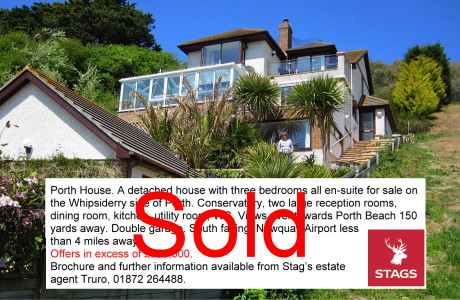
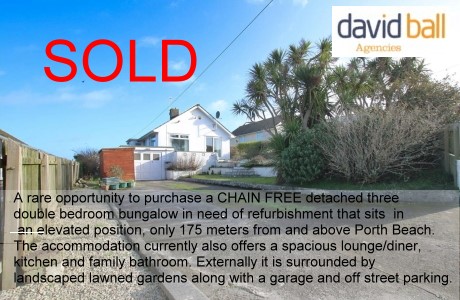
Houses for Sale
Advertise your house for sale here and help support this site.
Small photo, text + link to agents for a One off ₤25. Please contact me.Advertise your house for sale here
- Local Services
Shops, Services etc

Towan Insurance BrokersCornwall's local commercial insurance specialist. We help Cornish businesses find the right cover, from tradespeople and property owners to specialist contractors. Based in Cornwall, independent, and genuinely invested in the businesses we work with. Visit us at Towan Insurance Brokers
🌌 NASA Astronomy Picture of the Day
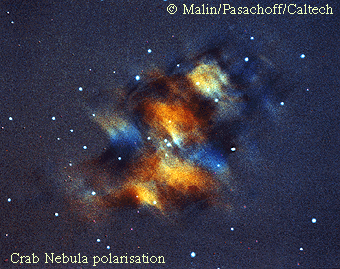
M1: Polarization of the Crab
Date: 1995-11-23
Explanation:
The Crab Nebula resulted from a star that exploded - a supernova. Although the stellar explosion that caused the Crab Nebula was seen over 900 years ago, the nebula itself still expands and shines. Much of the emitted light has been found to be polarized. Light waves with the same polarization vibrate in the same plane. Light waves can be polarized by reflection from a surface, an effect familiar to sunglass wearing fishermen and skiers. Polarized light can also be emitted by regions that contain strong magnetic fields. Areas of different polarization above are highlighted by different colors. Mapping the polarization helps astronomers decipher which physical processes create the observed light.
Copyright: AATB, Caltech, David Malin, Jay Pasachoff